
Arrest Warrants in Scurry County
An arrest warrant in Scurry County is a written command from a magistrate to a peace officer. Texas Code of Criminal Procedure Chapter 15 lays out the complaint and issuance steps. Someone files a sworn complaint or affidavit, and the magistrate weighs whether the facts meet the legal standard before signing. Which court issues the order turns on the alleged offense and its jurisdiction. The 132nd District Court handles felony cases. Scurry County also has a constitutional County Court, and JP or municipal judges can act within lower-court authority. The sheriff or city police may serve the paper. Still, the issuing court stays the source for what happens next in the case.
Complaint Before the Magistrate
Chapter 15 demands identifying information when it is known, the offense named, and the magistrate's signature. Articles 15.03 through 15.05 cover authority and complaint requirements. A summons is possible in some settings; it tells a person to appear, while an arrest warrant commands custody. Scurry County's public pages do not offer a complete warrant application or a name-search form. The District Clerk posts docket categories, but those schedules list court events, not a live arrest-warrant feed. With a cause number in hand, ask the clerk or court coordinator which docket or filing touches the case. The official Texas Chapter 15 text holds the statewide rule. It creates no Scurry County lookup portal and reveals no particular case.
What a Scurry County Arrest Warrant Contains
Scurry County publishes no sample arrest-warrant entry. District Court docket headings show cause number, offense, hearing type, and sometimes bond-related information, yet a docket is not a warrant status record. Treat those fields as questions for the court, not as guaranteed screen labels.
| Person and offense | The warrant identifies the accused or a reasonable description and names the offense. |
|---|---|
| Complaint | A sworn filing may support the request; it may be restricted or sealed. |
| Issuing authority | A magistrate or judge and the court holding the case. |
| Cause number | Use the format printed on official paperwork; local warrant format was not published. |
| Bond and status | Ask the court or jail. Scurry has no public bond schedule or status-code legend. |
A number, charge, and court name can help you find a Scurry County file. They cannot, by themselves, show that process is still active.
Scurry Court Directory Routes
Scurry County runs more than one clerk. The District Clerk keeps the 132nd District Court's felony and related case records, while the County Clerk holds constitutional County Court records. The county directory and Texas Judicial Branch materials name the offices and judicial roles. A directory search, though, is not a warrant check. The county court listing puts the 132nd District Court coordinator at the courthouse and gives a separate District Clerk contact. For a felony cause, ask the coordinator about settings and the District Clerk about filings or docket materials. If an office number conflicts with the county's building menu, use the current main route and verify the direct line. The Texas Judicial Directory identifies each judge and court.

The directory helps you pick out a Scurry County judge or court. It shows no individual warrant status. The Texas Judicial Branch hosts the Texas court directory search.
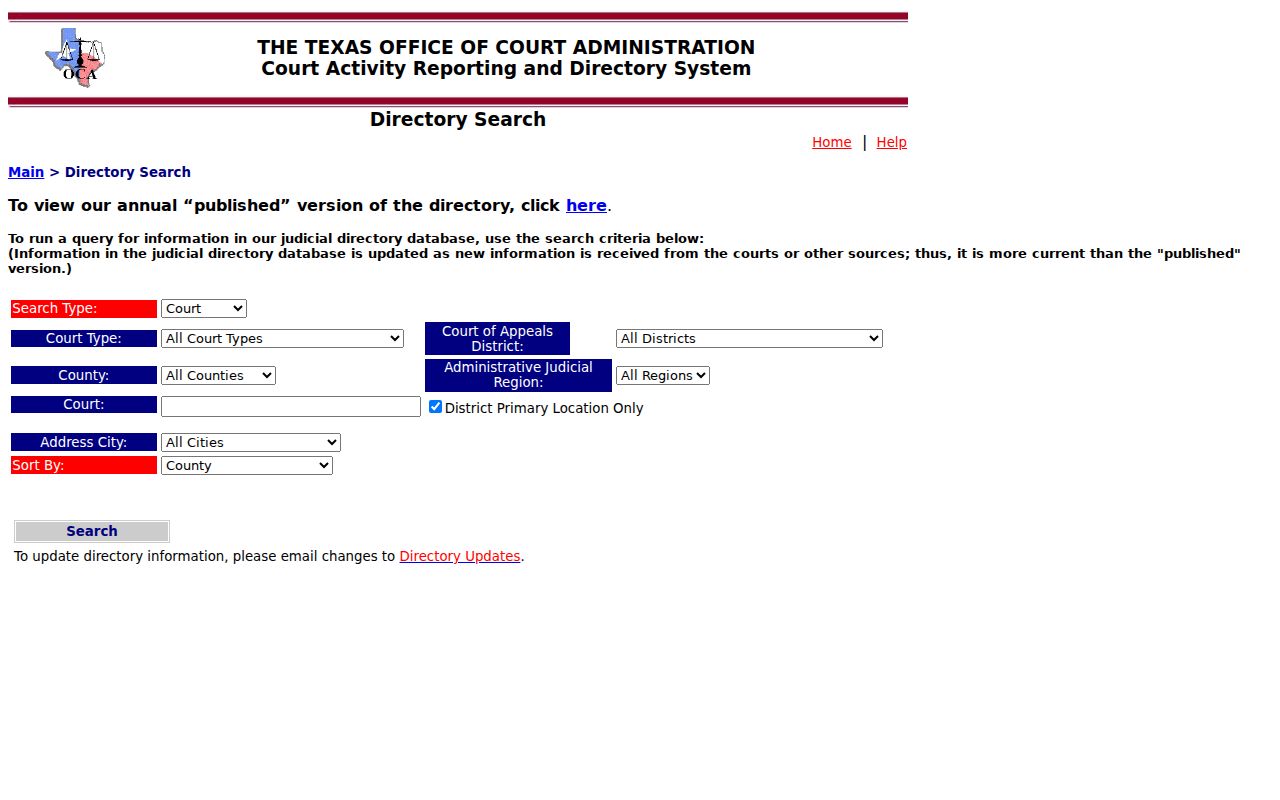
Use the directory for Scurry County court personnel only. Then contact the office that holds the case.
How Scurry County Warrants Are Served
The Scurry County Sheriff's Office job description lists locating outstanding warrants, executing warrants, making warrant arrests, coordinating with other agencies, extradition, and taking people arriving at the courthouse into custody. Those are duty descriptions. They set no public intake hours, and no reader should show up without calling first. Snyder Police covers law enforcement inside the city limits and sits at 400 37th Street. The city has no separate public warrant portal or marshal page. Which agency serves a given order can vary, so ask the issuing court or sheriff instead of assuming the nearest department owns it. For current custody, the county jail page lists its phone apart from the Sheriff's Office. Neither page publishes a bond window, surrender policy, or standard payment method.
City Police and County Sheriff Roles
A Snyder city matter can involve Snyder Police or Municipal Court, while a county process may route through the Scurry County sheriff and its issuing court. The city police directory gives the department's public contact but no active-warrant list. The county sheriff page likewise offers contact details without an online warrant search. The 400 37th Street address appears in both city and county contact material. A shared address does not mean the agencies share records or one warrant database. The case type, city limit, and court name decide who can confirm service or status. A docket and an arrest record also serve different purposes. The clerk explains court scheduling; law enforcement explains its own custody or service records.
Arrest Warrant vs Summons vs Bench Warrant
These terms describe different court actions. A summons orders an appearance. An arrest warrant, issued after the magistrate process, authorizes taking a person into custody. A bench or FTA warrant in Scurry County may follow a missed hearing or a failure to meet a court condition.
| Process | Reason | First local question |
|---|---|---|
| Summons | Notice to appear. | What date and court are listed? |
| Arrest warrant | Magistrate action based on complaint and probable cause. | Which court issued it, and is it still active? |
| Bench or FTA | Missed appearance or another court obligation. | What setting was missed, and how can it be reset? |
| Capias pro fine | Fine or judgment enforcement under Texas procedure. | What payment or hearing route does the issuing court allow? |
Ask the clerk to repeat the exact status term. Scurry County's public pages share no one status vocabulary across all its courts.
Bond Questions Need Local Answers
Every bond amount in Scurry County comes from a court order. The county posts no arrest-warrant bond schedule, no accepted payment list, and no surrender window. The Texas Judicial Branch bail page offers statewide guidance, but it cannot set an amount for a Scurry County case. So ask before you travel. Find out whether a bond has been set and which office accepts it. Ask whether cash or a surety option applies. Confirm that no other hold exists. Then check with the jail directly, because the inmate-account deposit methods on the jail page may not work for bond.
Confirm first: Ask the issuing court or a lawyer where an appearance should occur. The Sheriff's Office does not decide whether a judge recalls a warrant or resets a case.
Posting bond can secure release and still leave a court date ahead. Ask what obligation remains in Scurry County, and keep the bond or release paper.
What to Do If There's a Warrant for You
An empty online search proves little. In Scurry County, a warrant can exist without appearing in any public list. So call the court tied to the paper. Ask for the current status, the process type, and the next setting, and have counsel ask about a voluntary appearance, bond, a reset, or a motion to recall or quash. If the court sends you to law enforcement, phone the Sheriff's Office or jail first. Ask where to report, current hours, ID rules, bond instructions, and whether another agency holds you. No Scurry County source publishes a walk-through sequence, so treat an address as a location, not a surrender instruction. Once you act, get written confirmation. Then ask whether the case itself remains open. A recalled warrant is not a final outcome. The bond, the recall, and the case are three different events.
Federal Process Uses Lubbock
Federal paper works differently. A federal warrant never becomes a Scurry County court record. The Northern District of Texas venue locator puts Scurry County in the Lubbock Division. Docket questions go to that court and PACER. Service may involve the U.S. Marshals Service. A Scurry County sheriff page cannot confirm federal process. PACER can charge for access, and sealed filings stay outside ordinary public search. If a document names a federal court, ask federal counsel about the proper status route. Keep that question apart from a Snyder, JP, County Court, or district-court case. For a local felony, return to the 132nd District Court and District Clerk.